Enhance Your Backyard Area: Experienced Landscape Design Support
Transforming outdoor spaces is a complex endeavor. Many encounter challenges such as poor soil, limited sunlight, or vague ideas for their landscape. Expert landscaping professionals offer tailored solutions that address these problems. They bring a rich understanding about local plants and sustainable practices. Their expertise can make a substantial impact. What are the main advantages of employing expert designers, and how can they elevate your outdoor experience? The answers may surprise you.
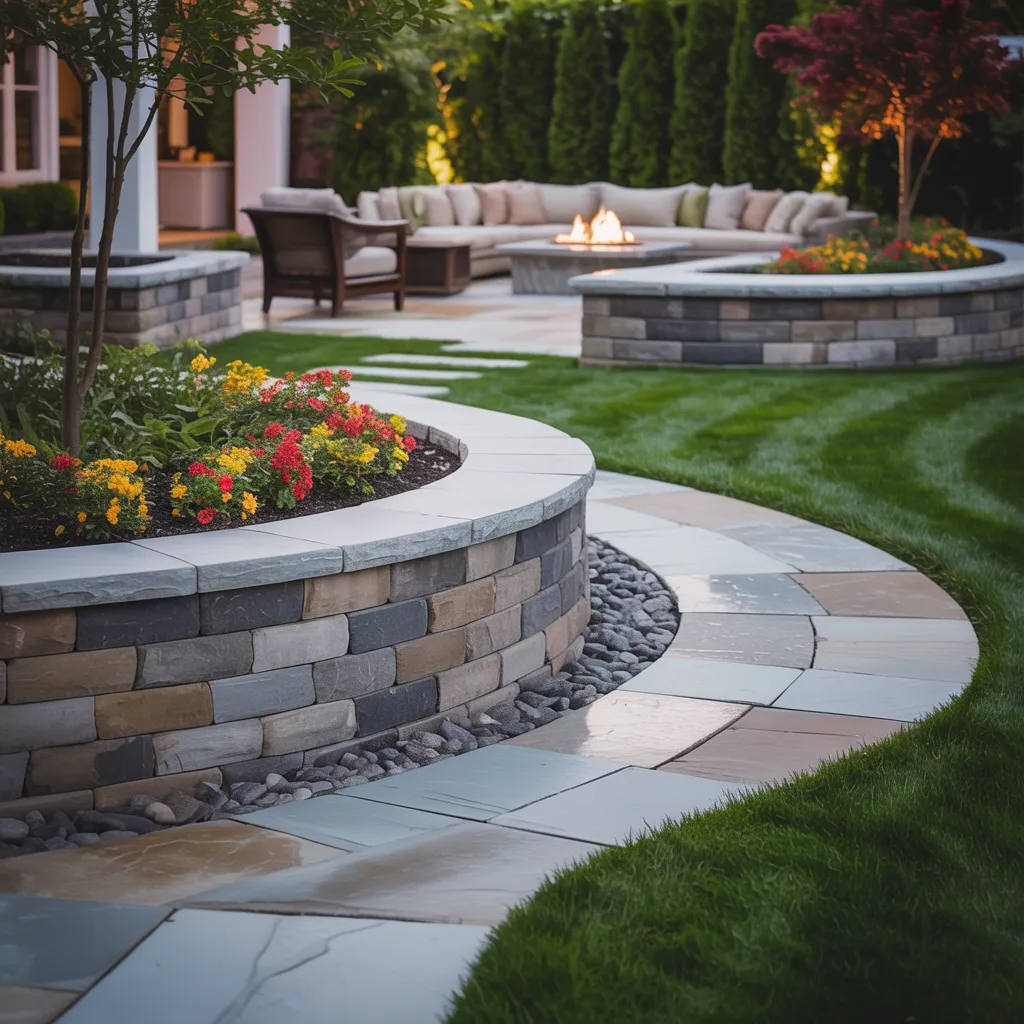
Regular Garden Design Obstacles
When commencing on outdoor landscaping, many face challenges that can complicate the process. One frequent problem is inadequate planning, which can result in misaligned goals and execution. Property owners often struggle to balance aesthetics with practicality, creating spaces that may appear attractive but fail to fulfill their intended purpose. Additionally, grasping the local climate and earth composition can present difficulties; inappropriate plant choices may lead to poor growth or maintenance problems.
Budgetary constraints also constitute a substantial obstacle, as many miscalculate the expenses associated with materials and labor. Schedule coordination proves critical, with delays in project timelines often resulting from unforeseen complications. Ultimately, navigating zoning laws and regulations can add another level of complexity, often requiring permits or adherence to specific guidelines. These barriers can discourage individuals, highlighting the significance of a carefully planned approach to design planning.
Why Choose Expert Landscape Designers?
Grappling with the complexities of landscape design can often stress even the most enthusiastic homeowners. Several elements, such as plant selection, topography, and water systems, must be harmonized to fashion a well-integrated outdoor space. Expert landscape designers demonstrate the instruction and expertise vital to traverse these complexities capably. They grasp the local climate, soil conditions, and region-specific plants, ensuring the designs are both environmentally responsible and aesthetically pleasing.
Also, professionals supply a considerable wealth of creative ideas and forward-thinking solutions that serve individual preferences and personal circumstances. They are able to visualize the capacity of a space, transforming ordinary yards into breathtaking garden vistas. Coordination between contractors and compliance with local codes are pertinent considerations where their expertise becomes vital. Finally, bringing in an professional landscaper eases the strain of experimentation and mistakes, allowing homeowners to experience a beautifully curated exterior living space suited to their personal dream.
Best Strengths of Contracting Professional Landscape Designers
Bringing in professional landscape designers offers numerous benefits that can enhance any outdoor area. First, their competence ensures that concepts are not only visually attractive but also detailed article practical, accounting for elements such as drainage, sunlight, and plant compatibility. This knowledge helps prevent costly mistakes that can result from DIY efforts.
In addition, seasoned design experts supply access to resources, such as premium materials and qualified workers, which can elevate the overall quality of the job. They can furthermore offer customized designs that embody personal preferences while respecting local regulations and sustainability matters.
Furthermore, the collaborative process with a designer enables homeowners to express their vision successfully, resulting in a unified and balanced landscape. This partnership often leads to innovative ideas that homeowners might not have thought about, maximizing the potential of the outdoor area. Ultimately, engaging a expert designer converts an ordinary space into a expertly designed environment.
Original Designs to Elevate Your External Grounds
Turning an outdoor space into a vibrant retreat can be completed through a variety of creative ideas that suit personal tastes and functional needs. Incorporating assorted plant species can add texture and color, while tiered gardens maximize space and create a stunning visual impact. Outdoor seating areas can be enhanced with comfortable furniture, suitable for relaxation or entertaining guests.
Water features, such as fountains or small ponds, deliver serene audio and entice wildlife, boosting the overall atmosphere. Deploying outdoor lighting strategically can illuminate key elements and expand usability into the evening.
Creating pathways constructed from sustainable stone or reclaimed materials can lead visitors across the outdoor environment, creating a welcoming ambiance. Moreover, functional components like raised garden beds or outdoor kitchens can improve both aesthetics and practicality, ensuring the space is not only attractive but also flexible for different activities.
Best Practices for Maintaining Your Exterior Design
Effective maintenance is essential for preserving the aesthetic appeal and functionality of any landscape design. Regularly evaluating plants for health is necessary; dead or diseased foliage should be promptly removed to stop further spread. In addition, correct irrigation methods, customized for the needs of specific plants, can significantly improve development and vigor.
Mulching controls weeds and conserves soil moisture, making it a important practice. Seasonal pruning stimulates healthy growth and keeps desired shapes. Moreover, periodic fertilization provides important nutrients, ensuring that plants prosper throughout the year.
Outdoor landscape features including pathways and patios should be inspected for damage. Regular cleaning and restoration can stop deterioration and enhance visual appeal. Finally, monitoring insects and pests and applying effective treatments can preserve the landscape's structural integrity. By following these suggestions, homeowners can ensure their outdoor spaces remain inviting and well-maintained for years to come.

Commonly Asked Concerns
How much time Does a Typical Landscape Design Project Take?
A typical landscaping project generally takes from two to eight weeks, based on the design complexity, site conditions, and the supply of materials and workforce, guaranteeing a thorough planning and execution process.
What Is the Typical Cost of Professional Landscape Design Services?
The average cost of professional landscape design services typically ranges from $2,000 to $7,000, based on project size, complexity, and location. Elements such as labor and materials can greatly influence the final price.
Do Landscape Designers Obtain Official Recognition or Professional Credentials?
Landscape designers are not universally required to be licensed or certified; however, many elect to seek degrees or certifications in landscape architecture, which can strengthen their professional standing and knowledge in the field.
Can I integrate existing Plants Into the New Design?
Certainly, current vegetation can be incorporated into a new plan. Skilled landscape designers regularly evaluate existing plants to improve aesthetics and functionality, guaranteeing that mature vegetation complement the complete concept of the outdoor space.
What Should I Look for in a Landscape Design Collection?
When assessing a landscape design body of work, you should search for creativity, range of design styles, plants that are well-integrated, careful attention to detail, comprehensive project files, and previous client reviews to determine overall satisfaction and effectiveness.